
Grocery shopping in Spain: what it usually costs and how to build a realistic routine
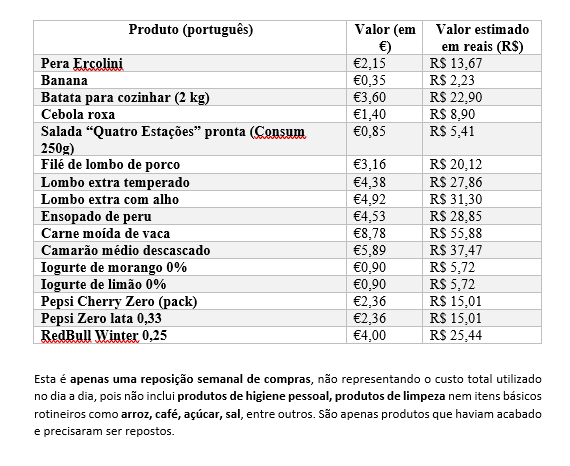
A common question for people planning their move is whether grocery shopping in Spain puts heavy pressure on the budget. The answer depends on the household profile, but spending becomes much easier to predict when you understand the difference between a full stock-up, a restocking trip and what truly counts for the month.
What most affects the final total
- Family size and eating habits.
- How often you shop and how much stock you already have at home.
- The choice between store brands, traditional brands and more premium products.
- Consumption of meat, drinks, frozen food and ready-made items.
How to read a real shopping trip without distorting the budget
A restocking purchase may include fruit, meat, yogurt, drinks and fresh products without representing the whole month. In the original example from this article, the receipt totaled €50.53 and reflected a one-off restock, not the complete grocery bill for the household.
What is usually outside this kind of purchase
- Personal hygiene products.
- Home cleaning supplies.
- Pantry items that last longer, such as coffee, rice, sugar and salt.
- Extra purchases made later in the week.
How to build a more balanced routine
- Separate quick restocking from larger stock-up trips.
- Compare prices across chains and store brands.
- Avoid waste and impulse buying.
- Plan grocery spending together with housing, transport and fixed bills.
More important than memorizing a single number is understanding the logic behind the purchase. That helps you project a more realistic cost of living and arrive in Spain with expectations that are better calibrated.
Informational content. Every immigration case depends on goals, documents, history and timing.
Want to understand which path makes the most sense for your profile?
Talk to Ruta Hispánica to align visas, residence, CAP, studies, regularization or first steps in Spain with more confidence.
Book a WhatsApp consultation