
Empadronamiento in Spain: what it is for and how to organize this step
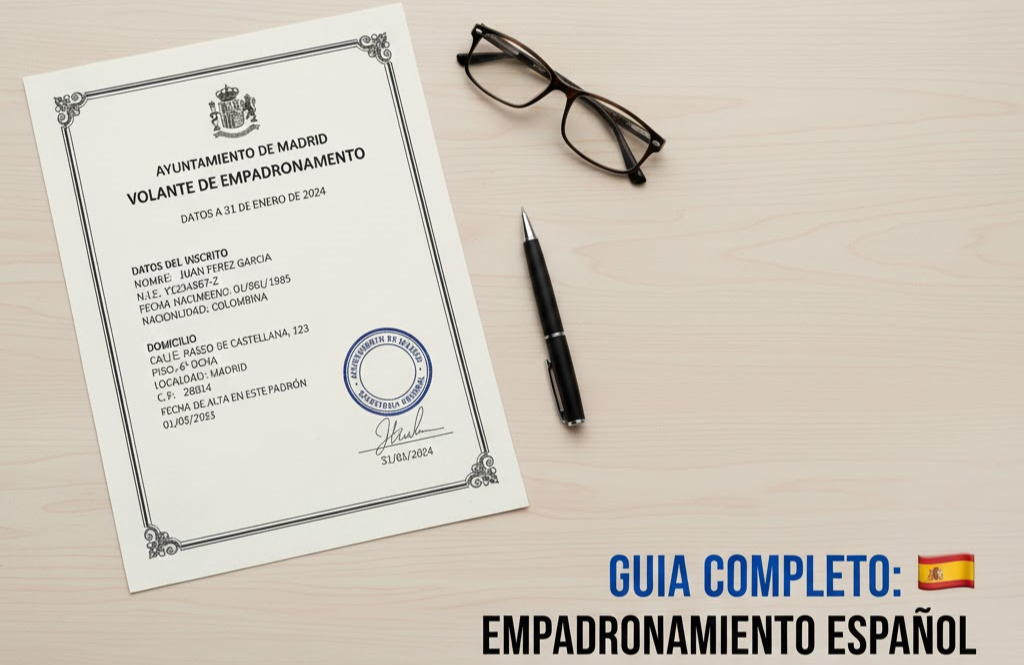
Empadronamiento is one of the first procedures many people need to handle after arriving in Spain. It works as the municipal residence registration and often becomes important for everyday matters and for later documentary steps in the country.
What empadronamiento is
In practical terms, it is the registration of your address with the local town hall in the municipality where you live. That record helps show presence and residence in that city.
What it is commonly used for
- Organizing access to municipal and health services
- Supporting school enrollment and family routines
- Serving as a base for other immigration and administrative steps
- Providing proof of address for everyday procedures
Core documents that usually come into play
- Passport or applicable identity document
- Proof of the address where you are living
- Authorization from the property holder when needed
- Form or prior appointment required by the municipality
The exact details vary from one city to another, so it is always worth checking the official website of the relevant town hall.
Where the request is handled
The procedure is usually completed at the town hall itself or through local citizen service channels, often with a prior appointment.
Practical checks that help avoid rework
It is worth confirming which housing document will be accepted, whether the contract is in order and whether the address can be used consistently with the rest of your planning.
When this step is handled properly at the beginning, many later parts of life and migration in Spain become much easier.
Informational content. Every immigration case depends on goals, documents, history and timing.
Want to understand which path makes the most sense for your profile?
Talk to Ruta Hispánica to align visas, residence, CAP, studies, regularization or first steps in Spain with more confidence.
Book a WhatsApp consultation